
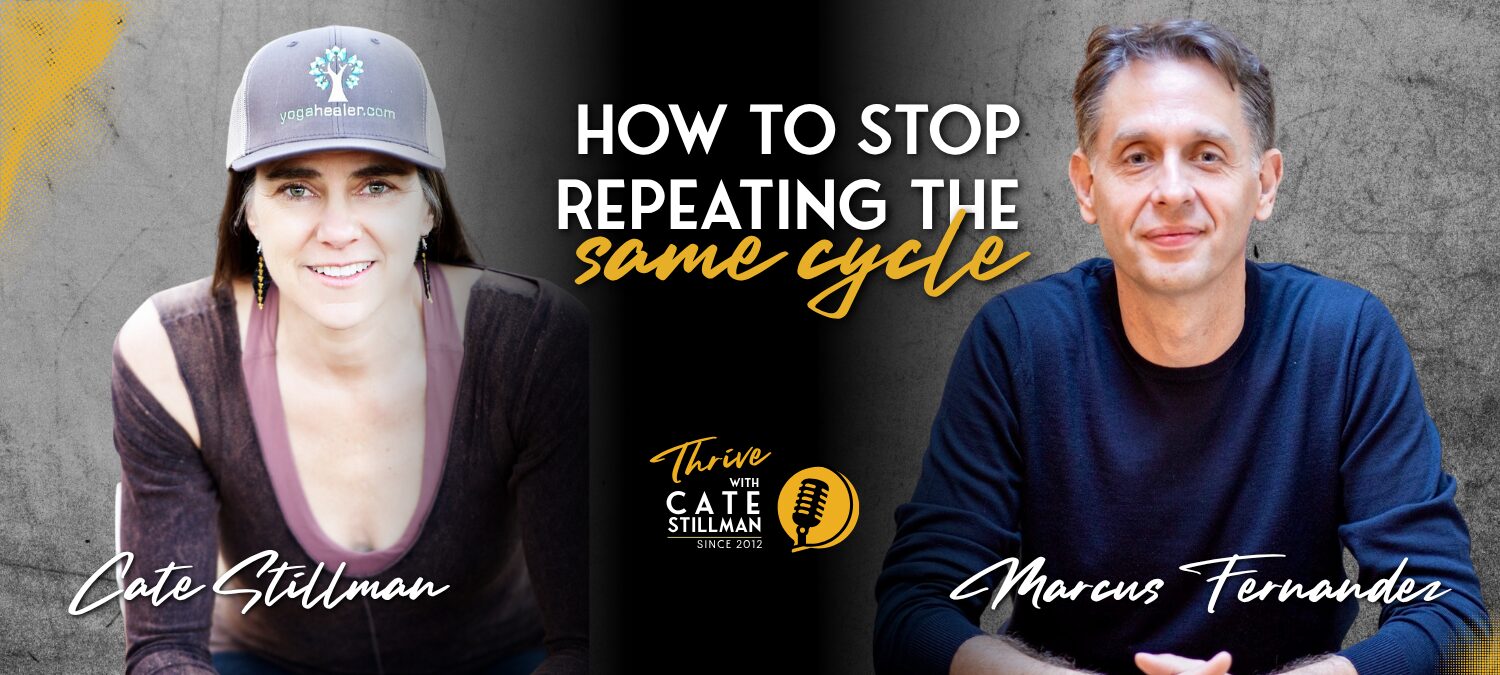
The Men Who Don’t Speak: Navigating Suppressed Emotion, Generational Conditioning, and the MEDS Path Back to Wholeness

When you’re the woman who notices first — the one who sees the slow withdrawal, the second glass of wine, the phone glued to the bedside table, the way he falls asleep on the couch before he can be present at dinner — you carry a particular kind of grief. You see what he can’t yet name. And the moment you try to talk about it, the conversation often goes nowhere.
This post is for the woman between 35 and 70 who loves a man who doesn’t quite know how to love himself yet. Husband, son, brother, father, partner, ex. You’re not trying to fix him. You’re trying to understand him. And lately, you’ve noticed that the more you grow into your own wellness, the more the gap between you widens.
Let’s name what’s actually happening there.
Part 1
In most Gen X families, you’re not dealing with “just” a man — you’re dealing with a generation raised inside an archetype. Think of The Tough Guy as the keeper of stoicism and provision, and The Provider as his loyal twin who measures worth through productivity and performance.
When a Gen X man begins to fray — physically, emotionally, energetically — he doesn’t usually say so. He goes quiet. He works longer hours. He drinks a little more in the evening. He scrolls until he falls asleep. He shows up for the family in body but disappears in spirit. It looks like fatigue, but it functions as armor: “If I keep moving, I won’t have to feel what’s underneath.”
His silence is rarely just his. It often serves an unspoken family agreement: as long as he keeps providing — earning, fixing, mowing, paying, showing up — everyone stays “fine.” When his body finally forces a pause through illness, burnout, or breakdown, he’s cast as the one who “let everyone down.”
This is generational triangulation:
The Father Wound Inherited conditioning. The dad who didn’t say “I love you.” The grandfather who came home from war and never spoke again. The model of manhood as silent endurance.
The Cultural Demand Provide. Perform. Don’t complain. “Man up.” Show no weakness, especially not to women.
The Man Himself Becomes the locked vault — not because he doesn’t feel, but because he was never given permission to.
The numbness isn’t a character flaw. It’s a survival adaptation. As homeopath Marcus Fernandez puts it after 30+ years of clinical practice:
“My wife says, ‘Why don’t you say that you love me?’ And they say, ‘I want to, but I just feel numb. I know I love her, but I can’t say it. It’s stuck in here.'”
The man you love isn’t withholding. He’s locked.
Part 2
Most women who love Gen X men know what emotional withdrawal feels like, but they don’t always see the deeper pattern. Suppression isn’t psychological — it’s physiological. The emotions don’t disappear. They migrate.
Here’s how it shows up in the body. He finally has a conversation he’s been avoiding — about his father, his work, his fears, his marriage. Or he doesn’t have it. Either way, the emotion is real, and it has to go somewhere.
Grief lands in the lungs. Chronic congestion, asthma, shallow breathing, the chest cold that won’t leave.
Anger lands in the liver. Inflammation, irritability, alcohol dependence, sleep disruption around 1–3 AM.
Bitterness lands in the gallbladder. Digestive issues, judgment, the constant sense that life is unfair.
Heartbreak lands in the heart. Hypertension, atrial fibrillation, and — in too many cases — the cardiac event that finally cracks open what couldn’t be spoken.
Marcus describes early in his career working in a cardiology ward, pulling curtains around hospital beds and finding men his current age sobbing behind them. As he puts it:
“What’s a heart attack? It’s like the heart breaking. These really tough guys just kept it in, kept it in — and then something physically happens.”
The genius — and tragedy — of suppression is that the body always tells the truth eventually. The boundary the mouth wouldn’t speak, the heart speaks instead.
The Rubber Band Effect
Men’s bodies don’t like change either. He’s been living in a particular nervous system pattern for decades — sympathetic dominance, low-grade adrenaline, performance mode. The system is optimized around his overworking.
When a wife, partner, or daughter starts requesting presence — “Put down the phone. Come to bed. Talk to me.” — it’s like pulling a rubber band.
He resists: he says he’s tired, he says he’ll do it tomorrow, he says he doesn’t know what you want from him. Then it snaps back: he disappears into the cave (or in British parlance, the shed), into sports, into work, into the next project.
The more you hold your request — your New Floor — the more intense the resistance becomes. That doesn’t mean you’re asking for too much. It means his system is testing whether this new standard is real or just another phase.
Part 3
A man doesn’t go from “I’m fine” to emotionally available in one therapy session. There are stages — and women who love these men benefit enormously from understanding the terrain.
Stage 1
The Body Speaks (The Symptom Stage)
This is the physical stage. He’s not yet ready to talk about feelings. But his body is sounding alarms: rising blood pressure, sleep that doesn’t restore, the spare tire that won’t budge, low libido, brain fog, the back pain that no one can explain.
His system reacts: tight shoulders that never release, heartburn after every meal, mid-afternoon crashes, the 3 AM wake-up where he stares at the ceiling.
This is Suppressed Emotion finding the nearest exit. He’s spent decades being the rock — of course his body starts handing him notes.
What helps: Don’t moralize the symptom. Marcus’s clinical observation: “It’s always the women that bring the men.” You can be the one who books the appointment with the homeopath, the chiropractor, the trainer, the GP. He may roll his eyes. He may say he doesn’t believe in it. Marcus’s response? “You don’t have to believe in it. Let’s have a chat.” The body opens the door the mind won’t.
Stage 2
The Shed State (Conscious Retreat)
The Shed State is not avoidance — it’s necessary integration. It’s the part of a man that says, “I need to be away from everyone to find out who I still am.”
In practice: he goes to the garage, the gym, the fishing trip, the workshop, the literal or metaphorical shed. He works on a project that no one asked him to do. He spends time with other men doing something physical and largely wordless.
Western culture has demonized this retreat as emotional unavailability. Marcus reframes it through the lens of Men Are From Mars, Women Are From Venus: men need the cave. It’s not rejection. It’s regulation.
The shed state is healthy when:
- He comes out of it more present, not more closed
- He’s working on something (even nothing) rather than numbing
- He returns to connection when he’s restored
The shed state has become avoidance when:
- He never comes out
- He uses substances to maintain the disconnection
- He weaponizes his solitude against his family
Stage 3
The Crisis at 56
Marcus identifies a clinical pattern he sees again and again: men around 56 hitting a wall.
“This is not how I thought life would turn out for me.”
He connects this to seven-year cycles, the Saturn return doubling back, and the ancient Indian framework of Vanaprastha — the third stage of life when a man retreats from worldly obligations to discover the self he buried under provision.
The 56-year-old crisis often looks like:
- Walking away from a long marriage without quite knowing why
- Sudden career disillusionment (“Is this all there is?”)
- Compulsive new hobbies, motorcycles, affairs
- Or — in the best cases — a quiet decision to finally figure out who he is
This isn’t midlife crisis as pathology. It’s the soul demanding the conversation the body has been hinting at for years.
Stage 4
Reclamation Through MEDS
If a man survives the crisis without imploding his life, he often arrives at something Marcus calls a deliberately uncomplicated framework: MEDS.
M — Meditation or Mindfulness. Five minutes. Call it prayer, breathwork, sitting in the truck before walking inside. The label doesn’t matter.
E — Exercise and Movement. Especially strength training in midlife. “Sitting is the new smoking.” The prostate, the heart, and the mood all depend on it.
D — Diet and Nutrition. “If your grandmother would recognize it, it’s real food.” 80% real, 20% flexible. No moralizing.
S — Sleep. The cornerstone of everything. Phone out of the bedroom. Bedroom as sanctuary. No screens before bed.
“It doesn’t have to be expensive. There’s many things you can do where you just stimulate the body to heal itself — and it knows what to do.”
This is where the man you love stops being a project and starts becoming a person again.
Part 4
Because you’ve watched him perform wellness before — the gym membership in January, the cleanse in March, the new supplement stack — you’ll eventually ask: “Is he actually healing, or is he just optimizing?”
Here’s a simple litmus test.
He Is Healing If
He’s moving slower, not faster. He’s saying “I don’t know” more often. He’s letting himself be tired without immediately fixing it. He’s making eye contact at dinner. He’s putting the phone in the other room. He’s having one real conversation per week — with you, with a friend, with a therapist, with his son.
Healing looks like: doing the driveway breath before walking into the house. Crying briefly at something unexpected and not apologizing. Telling his teenage son “well done” without irony. Letting himself nap. Saying “I miss my dad” out loud. Going to the homeopath because his wife asked, and finding himself surprised by what comes up.
He Is Performing If
He’s biohacking aggressively but emotionally unavailable. He’s tracking his sleep score but not talking to his wife. He’s getting ripped but staying numb. He’s reading Andrew Huberman and quoting it at family dinners but never asking how anyone is.
Performing looks like: cold plunges as identity rather than regulation. Cataloging supplements while ignoring the marriage. Posting workout videos while emotionally absent from his kids. Using “optimization” language as armor against vulnerability.
A helpful question when you’re not sure: “Is he doing this to feel more, or to feel less?”
If wellness is bringing him into contact with his life, he’s healing. If wellness is helping him stay above it, he’s performing.
Part 5
The Driveway Ritual: A Practice for Coming Home
When he pulls into the driveway and his nervous system is still at the office, this is the single most transformative practice Marcus offers his male clients.
Park the car. Don’t open the door yet.
Box breathe for 2–3 minutes:
- Inhale for 4
- Hold for 4
- Exhale for 4
- Hold for 4
While breathing, ask quietly: “What kind of father do I want to walk through that door as? What kind of partner? What kind of man?”
Marcus recalls his own moment of recognition — his two-year-old son repeatedly closing his laptop, not in defiance, but as an invitation: Come home, Dad. Be here.
The driveway ritual isn’t biohacking. It’s becoming a father at the threshold.
For the women reading: you can gift this to him. Not as criticism, but as an invitation. “I read about this practice and I think it might give us 20 minutes after work. Want to try it together?”
Conversations That Open Men: Prompts for the Right Environment
Marcus’s central observation from Beyond the Shed: men talk in the right environment. Not when cornered. Not during conflict. Not under interrogation. But side-by-side, doing something physical, with no agenda.
Here are three openings women and men can use to invite real conversation:
The Side-by-Side Open On a walk, in a car, while cooking, while building something: “What’s something you’ve been thinking about that you haven’t said out loud yet?” The lack of eye contact removes the threat. Movement regulates the nervous system. Truth often follows.
The Father Question “What did you wish your dad had said to you when you were 15?” This question bypasses defenses because it’s about him being received, not him performing. Almost every Gen X man has an unspoken answer to this.
The Body Inquiry “Where in your body do you carry the most stress right now?” This works because it’s not asking him to name an emotion. It’s asking him to notice a sensation. Men who can’t access “sad” can often access “tight in the chest.” That’s the doorway.
Use these gently. Not all three in one weekend. Think of them like seeds.
Part 6
Here’s the statistic that launched Marcus’s podcast Beyond the Shed, and that should be on the lips of every woman who loves a man:
“The biggest cause of death of men under the age of 50 in the UK is suicide.”
The same is true in the United States. Many “accidents” in this demographic are quiet exits. The men who don’t speak don’t always survive their silence.
This isn’t said to frighten. It’s said to anchor the urgency of what we’ve been discussing. The phone in the bedroom, the unprocessed grief, the heart attack at 55, the 56-year-old crisis — these aren’t isolated symptoms. They’re stops on the same road.
The good news? The road forks. With the right intervention — a homeopath, a trainer, a friend, a podcast, a wife who refuses to give up, a moment of genuine male mentorship — men come back to themselves.
Marcus has seen it across 30 years of clinical work. The men who lose 20 pounds. The men who reconcile with their sons. The men who finally say “I love you” out loud at 60 and weep at how easy it turned out to be.
It is never too late.
But it does require someone to start the conversation.
Part 7
If you’re the woman managing the wellness of your household — and you’re starting to recognize the cost of being the only one carrying it — you’re not failing your man. You’re seeing the system clearly enough to invite him into it.
His healing is his work. But your modeling, your invitations, your refusal to enable the slow numbness — these change the entire fractal. Your sons watch how you treat their father. Your daughters watch what you tolerate. Your future grandchildren inherit the nervous system you regulate today.
Inside Club Thrive, the Heal Badge isn’t about fixing the men in your life. It’s about being so embodied in your own wellness that the people around you are invited — not pressured — to rise.
See the trajectory your household is on — given your current habits, conversations, and patterns — and where a few key shifts could open more presence, vitality, and connection for everyone under your roof.
References
Marcus Fernandez, host of Beyond the Shed and author of Homeopathy at Home, on 30 years of clinical observation in men’s health.
Men Are From Mars, Women Are From Venus by John Gray on the masculine “cave” and gender-differentiated regulation patterns.
Deep Work by Cal Newport on the cognitive cost of fragmented attention.
Mind-body medicine and Traditional Chinese Medicine frameworks linking organ systems to suppressed emotional patterns (lungs/grief, liver/anger, gallbladder/bitterness, heart/heartbreak).
Public health data on male suicide as the leading cause of death for men under 50 in the UK and US.
Vanaprastha — the third stage of life in Vedic/Ayurvedic frameworks — as the threshold of inward turning, applied to the contemporary midlife crisis.
Club Thrive Global internal lexicon: New Floor, Shed State, MEDS Framework, Driveway Ritual, Heal Badge, Sacred Ambition.
Club Thrive scorecard ecosystem, including the Future You Quiz.

Leave a Reply